In today’s competitive marketplace, a strong brand is essential for success. It’s more than just a logo or a name; it’s the foundation of your business and the emotional connection you create with your customers. This post will guide you through the crucial elements of branding your business, drawing insights from a Udemy course taught by Robin and Jesper [my notes]. We’ll explore the core components of branding and how to differentiate yourself in a crowded market.
Branding vs. Marketing: Understanding the Difference
A common mistake is to confuse branding with marketing. While both are vital, they serve different purposes:
- Branding your business focuses on what you are, what you deliver, what feelings people have for you, what makes you unique, what people are saying about you, what you want to achieve, your values, what you are saying, and what you look like. Branding is about identity and lasting impressions. It is the foundation of your business.
- Marketing centers on how you will deliver your brand, communicate, deliver your products or services, be unique, make money, and grow your business. Marketing changes over time, whereas branding your business is meant to last.
It is important to note that while distinct, branding and marketing are interconnected and work together. You can’t market a brand you haven’t designed yet. Branding your business has to come first.
Why You Need a Brand Strategy
A well-defined brand strategy is crucial for several reasons:
- Standing out from competitors: A strong brand helps you identify and fill gaps in the market where the competition is lacking. Researching your competitors and seeing what people like and dislike about them will help you determine how to differentiate yourself.
- Guiding your marketing strategy: Your branding and business strategy will guide you toward your brand’s goals and inform all your marketing efforts.
- Engaging customers: It’s how you connect with your audience and keep customers loyal. Your positioning and brand personality will help you connect to your customers so they feel they belong.
The Structure of Branding Your Business
Branding has several layers, both internal and external:
Internal Branding Your Business
- Internal Communication: How you communicate your brand internally to your team.
- Values: What your brand believes in and is passionate about.
- Mission: The actionable steps you take toward your future vision.
- Vision: Where you want your brand to be long-term (e.g., 5-10 years).
- Purpose: Your “why” beyond making money. What motivates you?
- Brand Positioning: How you stand out from your competitors in the minds of your customers.
- Your Differentiators: What makes you unique, and what value you add.
- Your Competitors: Who they are, what they’re doing, and how you can differentiate.
- Your Audience: Who are you trying to reach and help?
- Brand Personality: Your brand’s identity and the characteristics it embodies.
- Brand Voice: How you communicate with your audience.
External Branding Your Business
- Brand Message: The core message you want to communicate.
- Brand Tagline: A memorable phrase representing what your brand does and stands for.
- Brand Name: What you call your brand. Keep it memorable, future-proof, and something you like.
- Brand Story: A narrative that connects with your audience emotionally.
- Brand Design: The visual elements of branding your business, including:
- Colors: Select three colors that communicate the emotions you want to evoke.
- Fonts: Choose readable and unique fonts that match your brand personality.
- Logo: Create a simple, memorable, and versatile logo.
Key Elements of Branding Your Business
Purpose, Vision, Mission, and Values
- Purpose: This is your “why.” Why are you doing what you’re doing beyond making money? It helps build emotional connections, differentiates you, and needs to reflect what you are selling.
- Vision: This is your long-term dream. It inspires and motivates, making future decisions more straightforward. Ask yourself where you dream to be, what you dream to achieve, and when you are achieving that.
- Mission: These are the actionable steps you take toward your vision. They help you understand how you’ll get there and stay on track.
- Values: These are your core beliefs and passions. They guide your brand’s actions and create your brand’s identity.
Understanding Your Competitors To Build Your Brand
- Research your direct and indirect competitors.
- Look for gaps to fill, which can be found in competitor reviews.
- Analyze what customers like and dislike about your competition. Is there anything you can do better or specialize in?
Differentiation
- What makes you different from your competitors?
- Consider differentiators like price, quality, service level, delivery, design, marketing, and types of customers.
- Always look for ways to add value and stand out.
- Examples Of Ways To Differentiate Yourself:
- Price
- Quality
- Service Level
- Delivery
- Design
- Marketing
- Types Of Customers
Positioning
- People want to feel connected to a brand.
- What emotions and experiences is your product or service giving people?
- To create a positioning statement, you must answer the following questions: Who are your target customers? What benefits does your product/service offer? Who are your competitors? How do you differentiate yourself?
- The Steps: To [YOUR TARGET AUDIENCE], [YOUR BRAND] is [YOUR DIFFERENTIATING BENEFIT TO CUSTOMERS] By [HOW YOU ARE MAKING IT POSSIBLE].


Personality
- Your brand personality is your brand’s identity. This is made up of elements such as characteristics, emotions, thoughts, and behaviors.
- Humanize your brand, keeping it consistent.
- Connect with customers so they can relate to your brand.
- Keep It Consistent
- TIP: Humanize Your Brand. Think of it as a person and think how that person would act and their personality.
Clients May Come To You Because of What you do, But they stay with you because of who you are. – Jay Danzie
Voice
- Your brand voice is how you say things to connect with your audience. It reflects your brand’s personality.
- Keep your voice consistent to build trust and loyalty.
Storytelling
- Your brand story is not about you; it’s about your customer.
- By doing this, you will get their attention and engagement.
- Your brand story should have the following:
- A hero: the customer.
- An obstacle.
- A guide: your brand.
- A call to action: what sparks their action.
- The challenge.
- The change: the desired result.
- New life: your customer’s desired result.
Visual Elements of Branding Your Business
- Brand Name: Be creative, use a mind map, make it future-proof and memorable, and check if the domain is available.
- Tagline: A memorable phrase representing what your brand does and stands for. Use emotions to connect with customers.
- TIP: Start writing what you do and what you stand for and then trim it down.
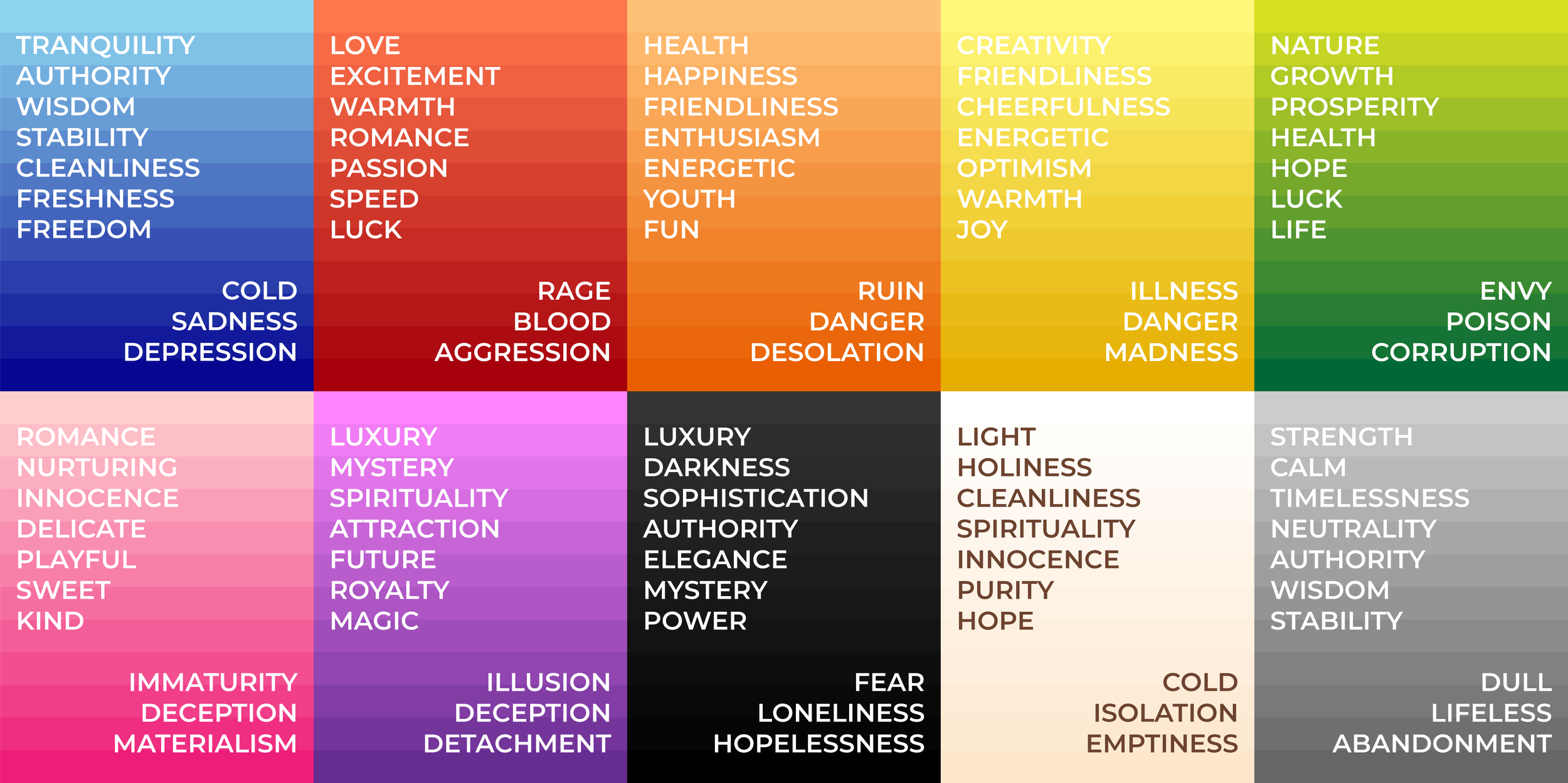
- Colors: Choose three colors – a base, an accent, and a neutral. (Could do more but don’t chose to many)
- Different Colors Have different meanings so don’t be completely random in your choice.
- Different Colors Have different meanings so don’t be completely random in your choice.
- Fonts: Select readable fonts that match the emotions you want to communicate.
- Logo: Choose a type (icon, wordmark, lettermark, combination, or emblem), and keep it simple, memorable, and versatile.
Conclusion
Building a successful brand requires careful planning and a deep understanding of your values, customers, and market. By focusing on your purpose, vision, mission, and values and crafting a unique brand identity, you can create a lasting impact and connect with your audience on a deeper level. Remember, branding your business is not a one-time task but an ongoing process of evolution and refinement.